What you can safely handle at home
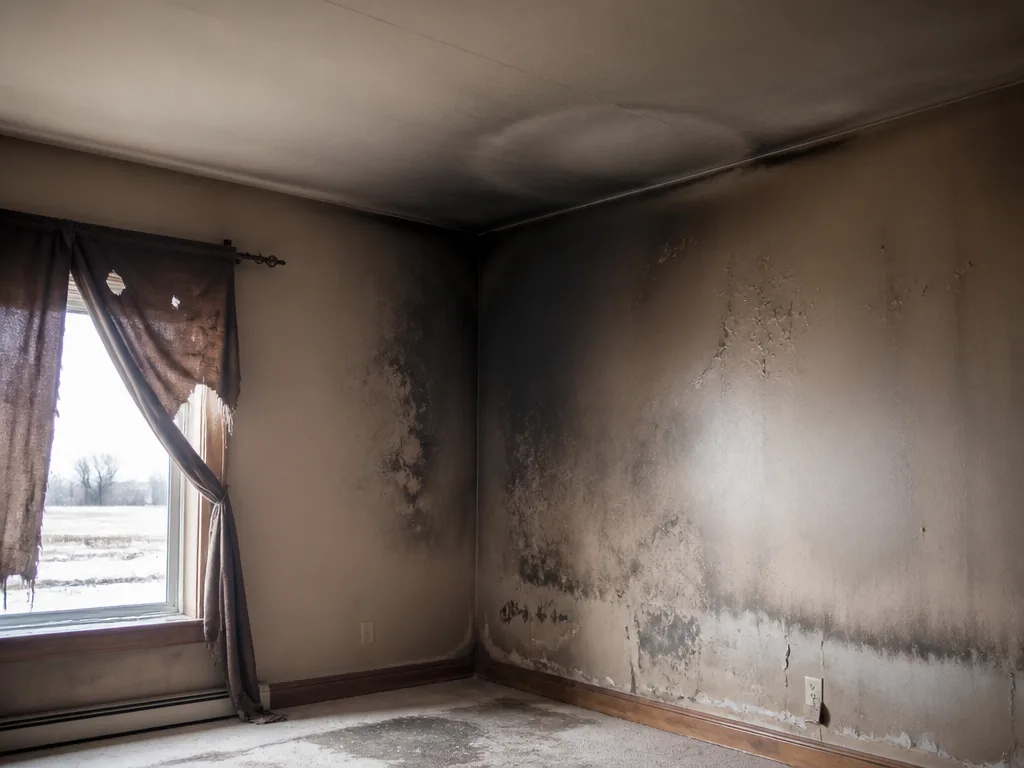
Minor cleanup after a small fire is sometimes possible with basic safety gear and clear guidance. If the area is structurally sound, doors and windows are closed, and there’s no exposed electrical hazard, you might start with basic ventilation and surface cleaning. Use a vacuum with a HEPA filter for dry debris and a gentle cleaning method on non-porous surfaces. This is not a substitute for a professional assessment, but it can help you prepare for a formal review by a fire & smoke damage specialist.
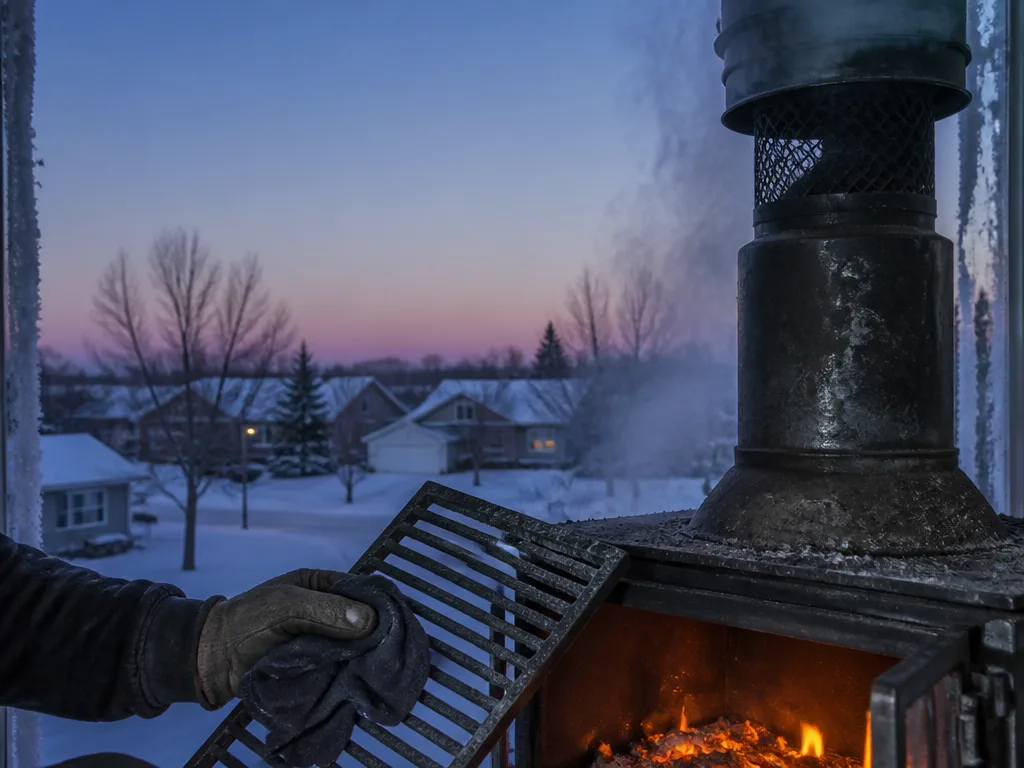
In North Dakota, weather and humidity can affect how smoke odors linger. Simple steps like opening windows on a dry day and using fans to circulate air can help. Avoid using bleach on smoke stains; it can react with residues and make odors worse. And never scrub soot into porous materials like drywall, as that can push contaminants deeper into the structure.
When to call a fire & smoke damage specialist
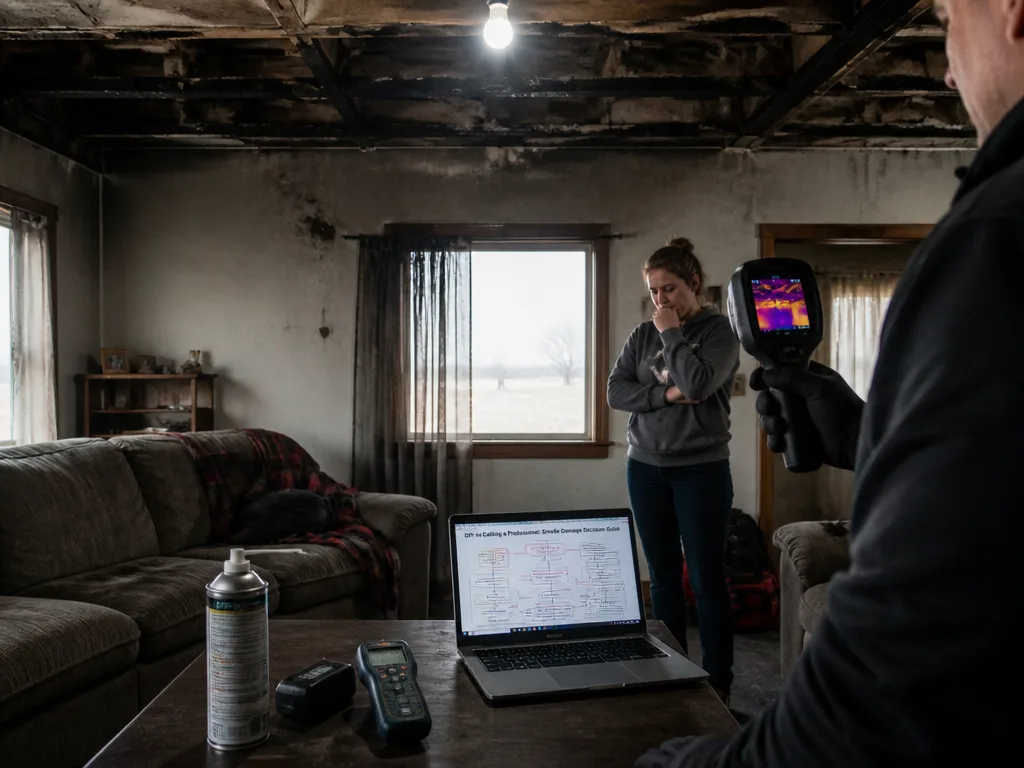
If the odor returns after cleaning, or you see new staining weeks after a fire, it’s time to bring in a professional. Fire & smoke damage specialists are trained to assess hidden damage behind walls, in insulation, and in attics. They use specialized equipment to detect volatile organic compounds and determine whether soot has penetrated surfaces that aren’t visible.
North Dakota Emergency Fire Response operates statewide, with crews in every North Dakota metro. We provide a clear plan, explain the scope, and outline steps to restore both safety and comfort. It’s not just about cleaning; it’s about addressing the underlying damage so your home can recover fully.
Practical checkpoints
- Document odors and stains with dates for reference when you call.
- Turn off affected circuits if you suspect wiring damage and call an electrician.
- Keep a log of who visits and what work is performed.