Winter risks and proactive steps
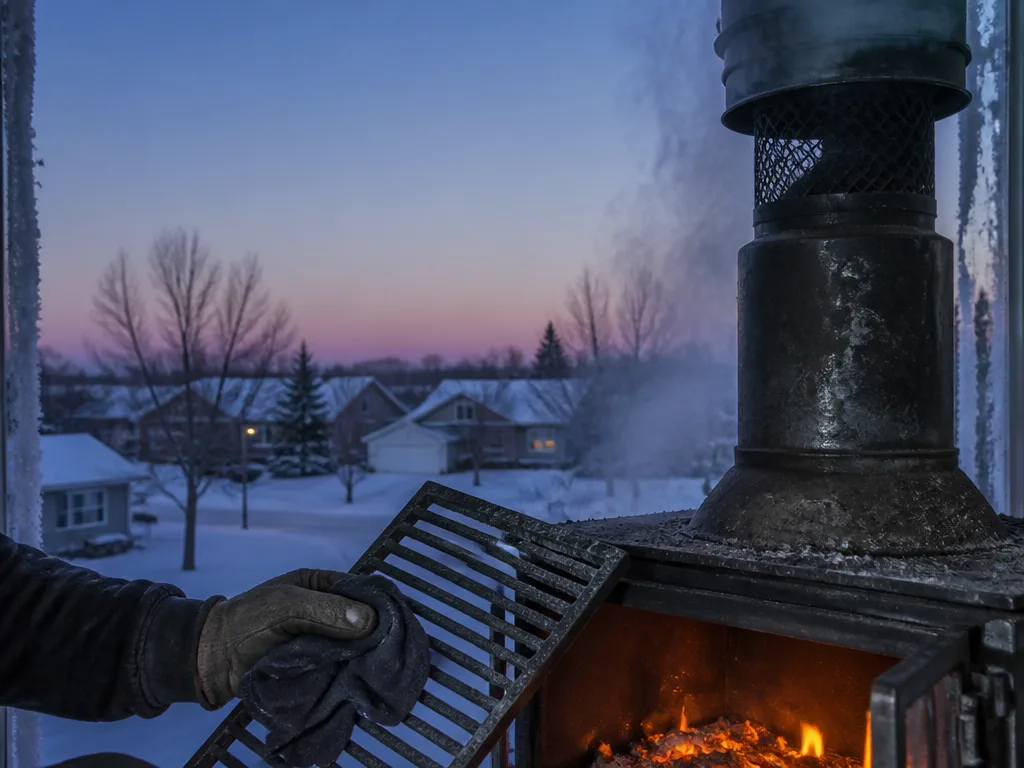
North Dakota winters bring dry air, heating system use, and potential ignition risks from heaters and fireplaces. Have your heating equipment inspected annually by a qualified professional. Keep vents and flues clear, and use a carbon monoxide detector on every level of the home. When you’re away in cold snaps, avoid leaving unattended space heaters running for long periods. Our fire & smoke damage specialists recommend a safety check before the first big cold spell each year.
During winter storm events, wind-driven debris and stress on roofs can lead to damage that’s hard to spot. After a heavy storm, inspect for hidden damage in attic spaces or behind insulation. If you notice moisture or damp smoke odors after a storm, call a professional to assess hidden damage that may have developed during the event.
Spring and summer preparation
Spring brings maintenance needs that keep smoke from becoming a bigger problem. Clean gutters so water doesn’t back up onto the roof and into the attic. Inspect for signs of heat damage after long sunny days or severe weather. Early-season checks help your home weather North Dakota’s temperature swings with less risk of hidden damage going unnoticed.
Throughout the year, create a simple plan with your local North Dakota Emergency Fire Response crew. We’ll tailor guidance to your home’s layout and season, and we’ll be ready to respond if you notice unusual odors, stains, or smoke-related smells.
What a preventative check includes
A seasonal check often covers: surface cleanliness, odor assessment, vent and duct checks, insulation observations, and a quick risk review for electrical components near heat sources. In North Dakota, a statewide approach means you get consistent guidance and access to our fire & smoke damage specialists no matter where you live in the state.